BLOG
Surgical Scars Aren't Difficult Because They're Visible
July 22, 2026
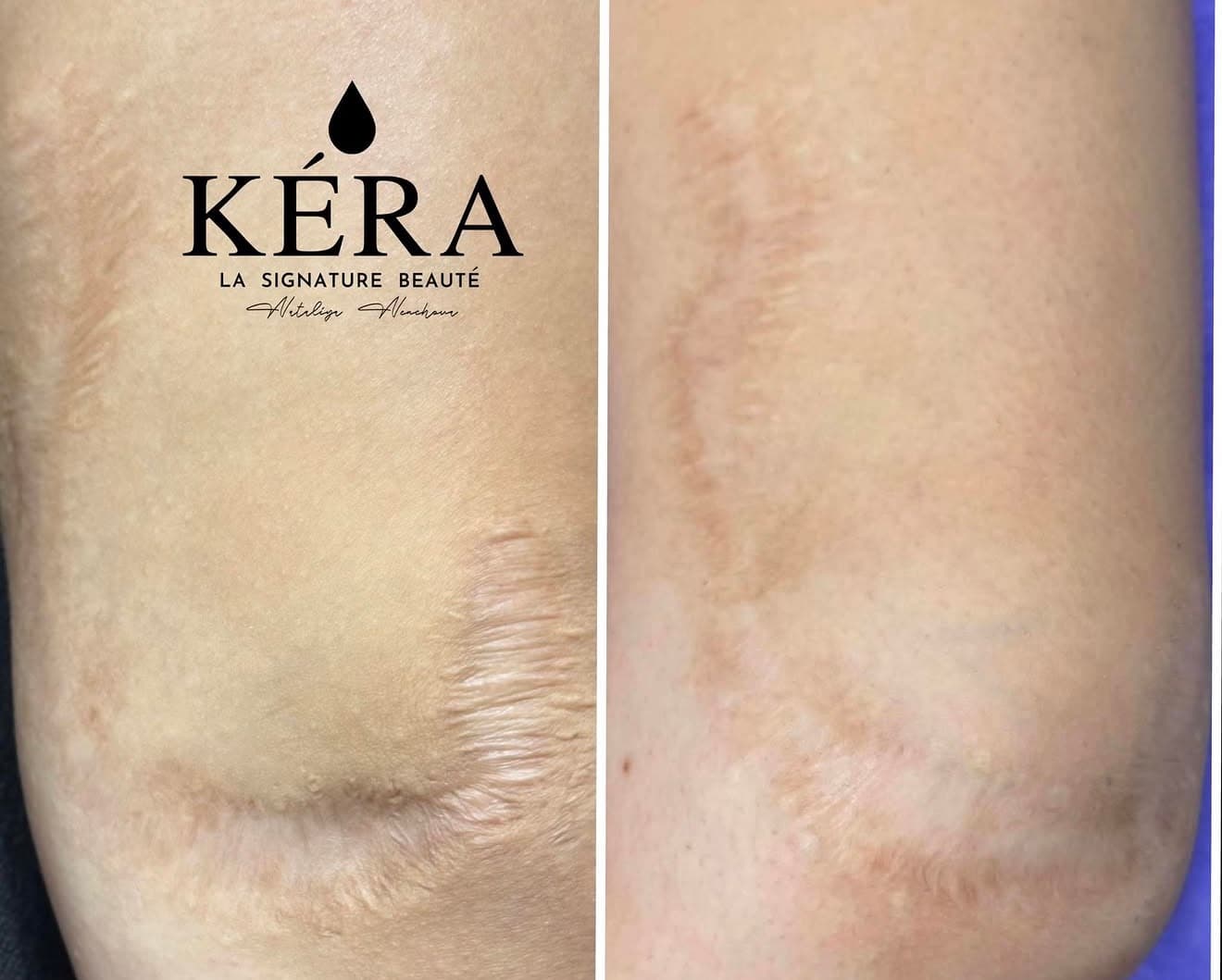
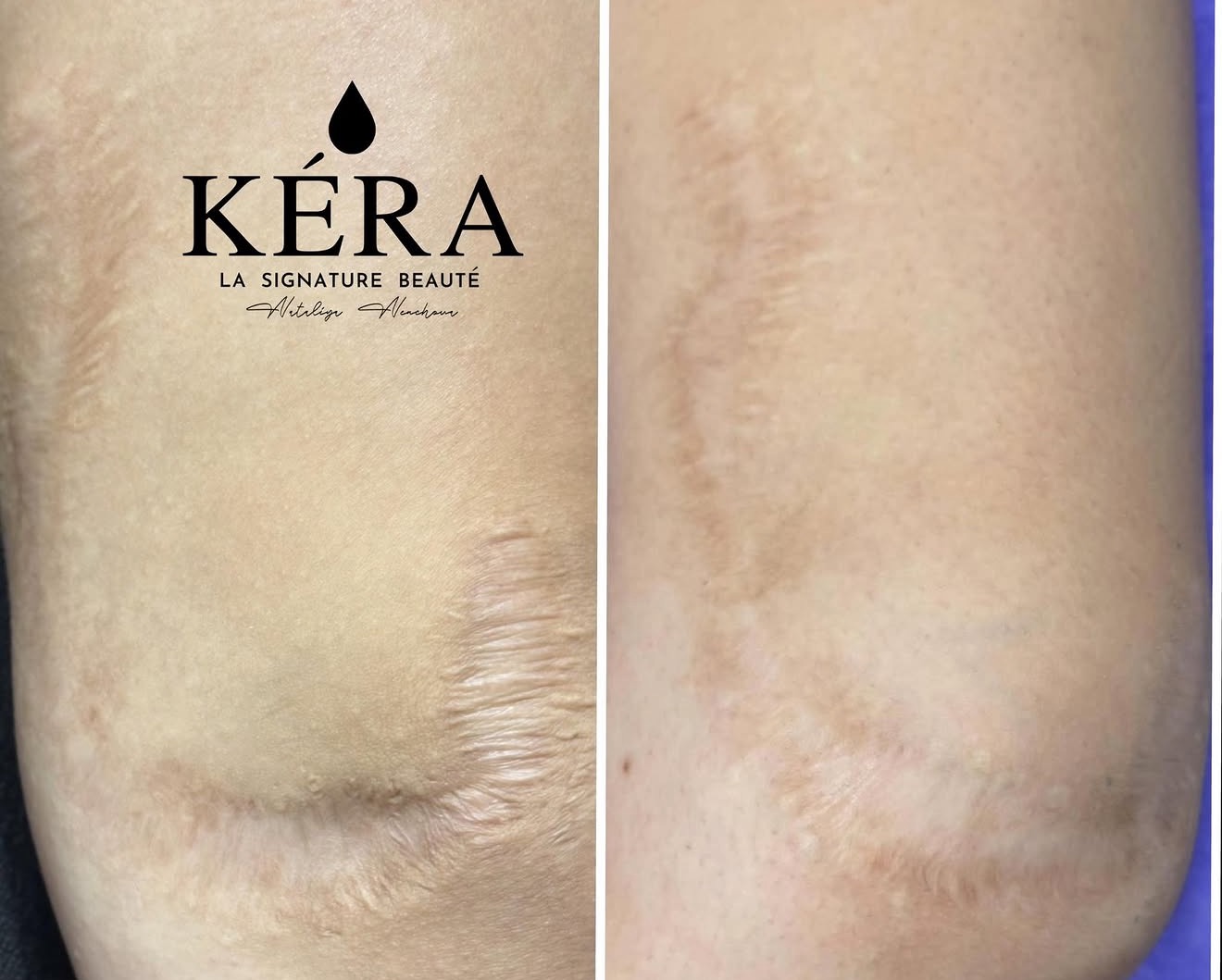
Fellow cosmeticians,
🔬 Surgical scars aren't "difficult" because they're visible.
They're difficult because they're a different type of tissue.
This is one of the most important truths I've learned over years of working with scars.
Very often I see all the attention going to choosing the pigment, the technique, or the machine.
But the real question is different.
What condition is the tissue we're about to work on actually in?
Because if we work on an unprepared area, the camouflage often becomes unpredictable.
We get uneven retention, inconsistent saturation, and a result that loses its stability over time.
The cause isn't always the pigment.
Pigment can't compensate for unprepared scar structure.
That's exactly what changed the way I work.
Today I don't start by implanting pigment.
I start by preparing the tissue.
In my practice I use the KERA serum as part of the preparatory protocol before aesthetic camouflage.
Not because I'm looking for a faster result.
But because I'm looking for a more predictable, more stable, and longer-lasting result.
When the quality of the tissue improves, the way it accepts the pigment changes too.
That means:
✔️ softer, more elastic skin;
✔️ better adaptability during implantation;
✔️ more even pigment retention;
✔️ a more stable foundation for a long-term result.
After this kind of preparation, camouflage is no longer a compromise.
It becomes a controlled and predictable procedure.
In my daily practice I can clearly see the difference between direct camouflage and camouflage on pre-prepared tissue.
The difference isn't only in the appearance.
The difference is in how predictable the result is.
To colleagues who work with scars
If you work with:
• surgical scars;
• c-section scars;
• old surgical scars;
• dense, fibrous, or inelastic tissue,
let me ask you one question.
Do you prepare the tissue before you start the camouflage?
Because a good result doesn't start with the machine.
It doesn't start with the needle.
It doesn't start with the pigment.
It starts with the quality of the tissue.
This is exactly the philosophy behind KERA.
Not as just another product.
But as a professional tool that helps specialists work with more confidence, more safety, and more predictable results.
Because in aesthetics, technique matters.
But strategy makes the difference.
Nataliya Nenchova